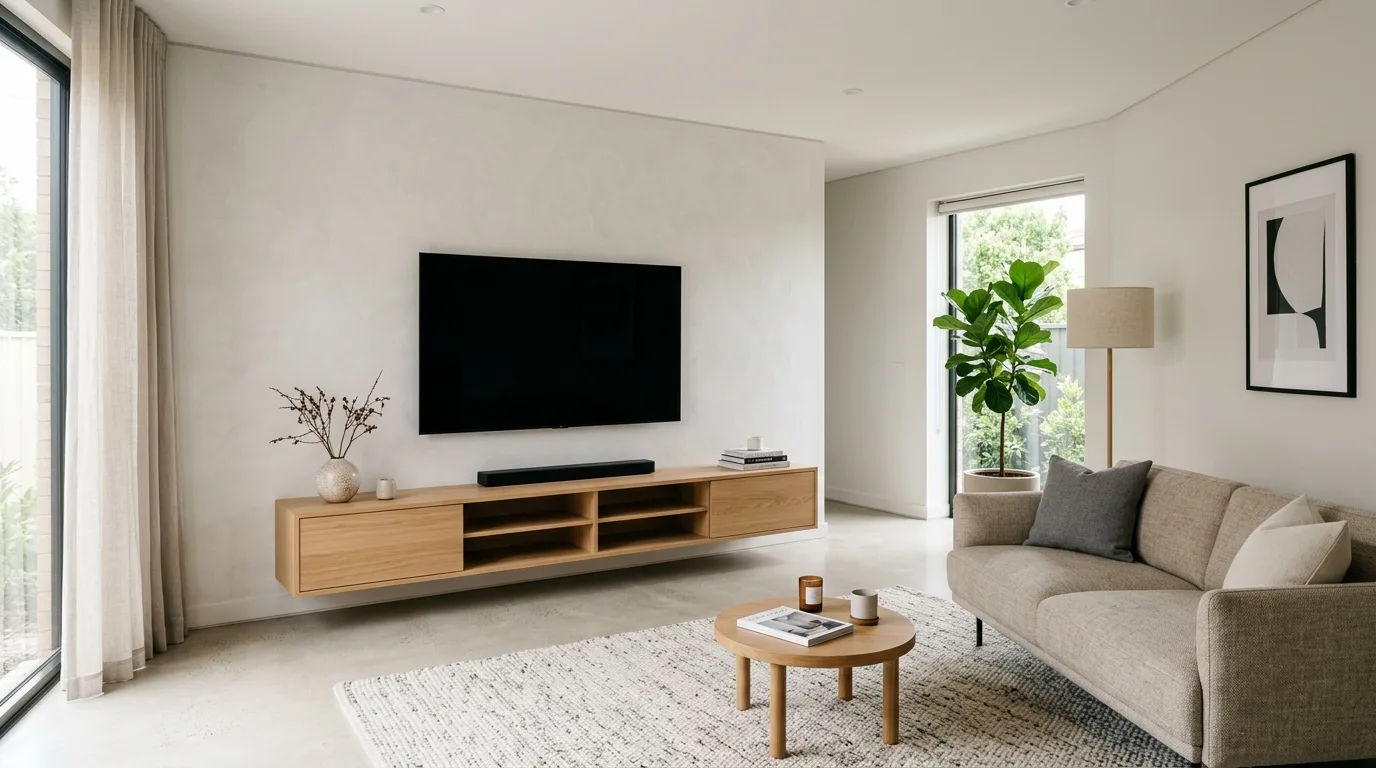
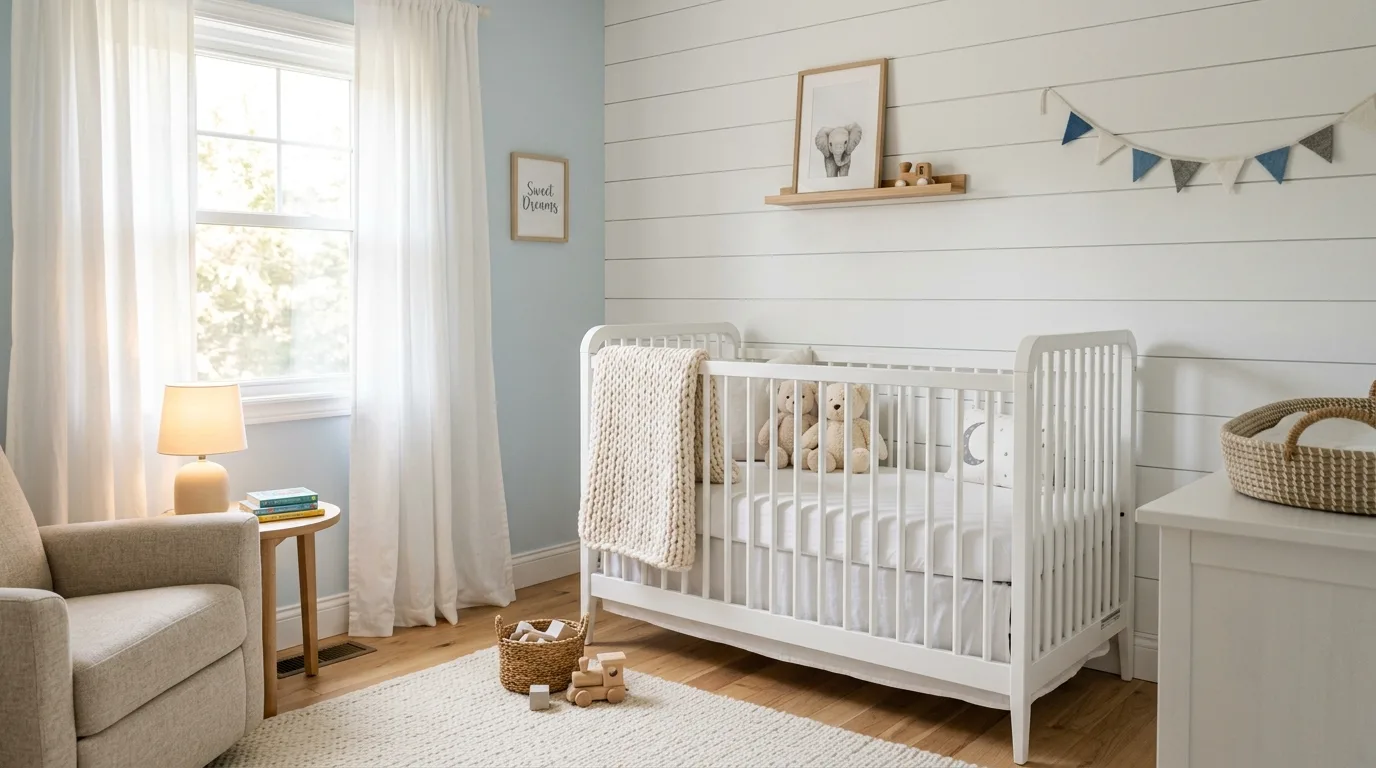
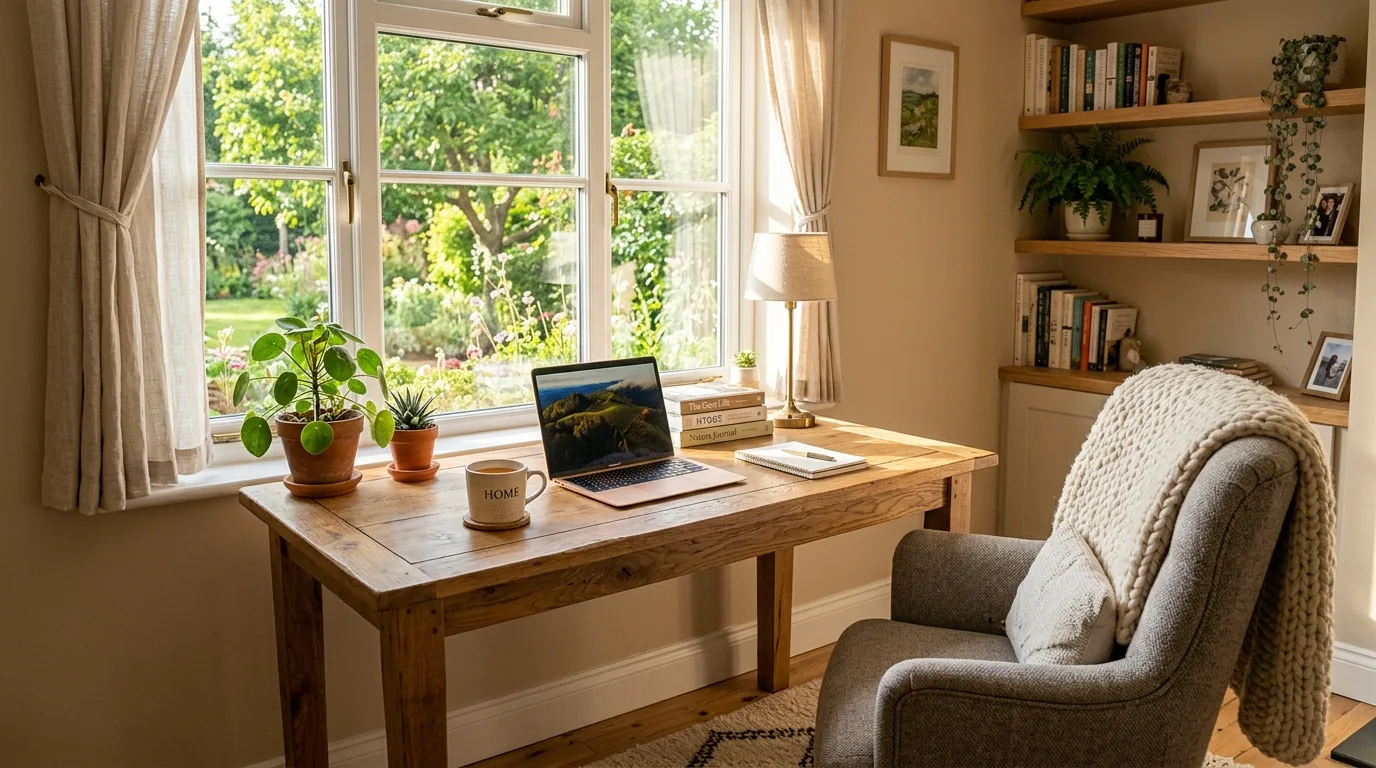
This set of images explores 13 smart apartment living room ideas for small space style through a more editorial lens, making it easier to see how atmosphere, storage, and finish choices work together inside a well-shaped living room.
That means every one of the 13 images gets a distinct heading and a fuller explanation, making the article feel finished, specific, and easier to keep reading all the way through.
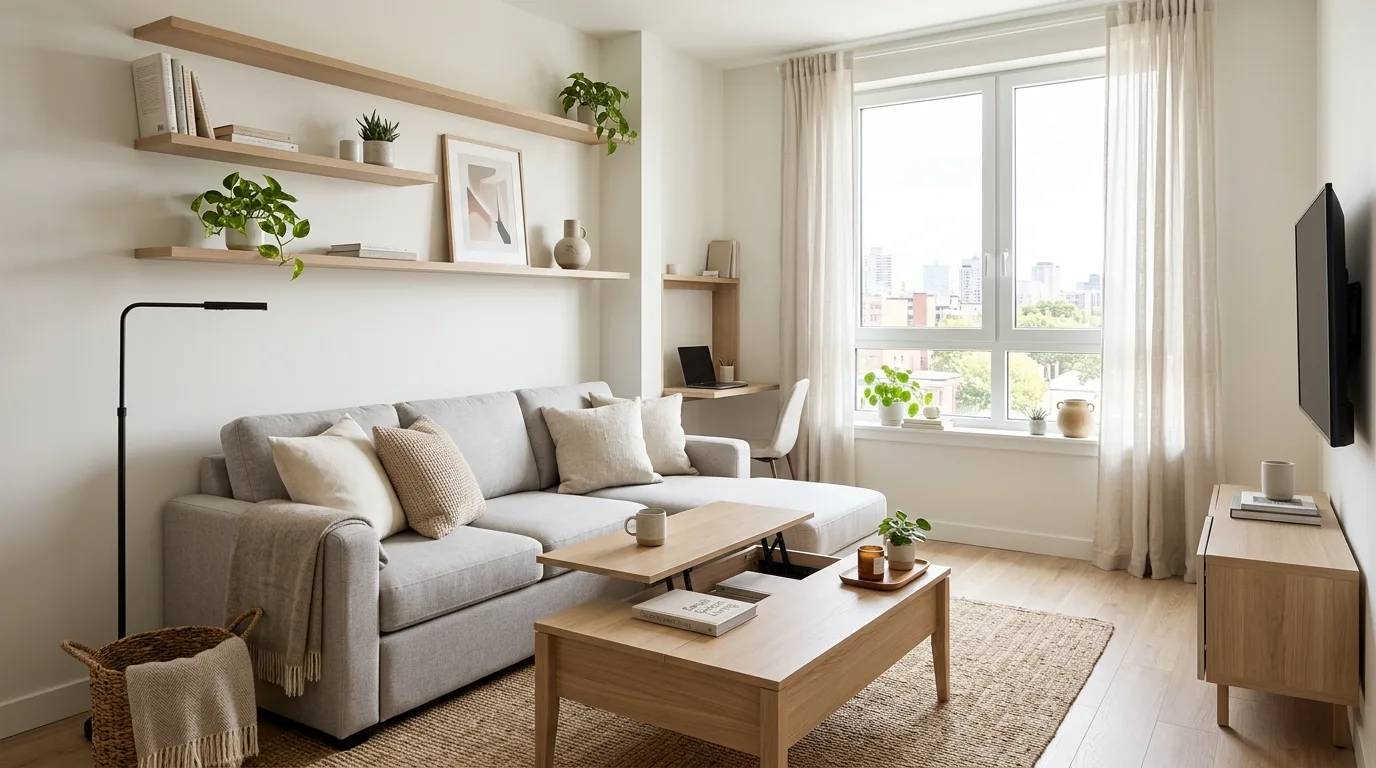
Grounded Small Focus
There is a grounded confidence here that makes the design feel livable as well as attractive. The composition stays memorable because warm color, textural contrast, and a steadier use of small cues guide the living room toward a more deliberate visual rhythm from edge to edge. That is what gives the scene a more finished identity, even before any smaller decorative details are noticed. That single shift improves both the atmosphere and the usability of the room.
There is a lived-in confidence to this image that makes it easier to trust, because the beauty comes from pacing, material contrast, and softness rather than from adding more than the room can comfortably hold. In a section like grounded small focus, the best details usually come from proportion, texture, and placement being resolved at the same time instead of being added as separate styling moves. That fuller sense of control is what makes this section read as a complete room idea rather than a repeated variation.
Airy Smart Finish
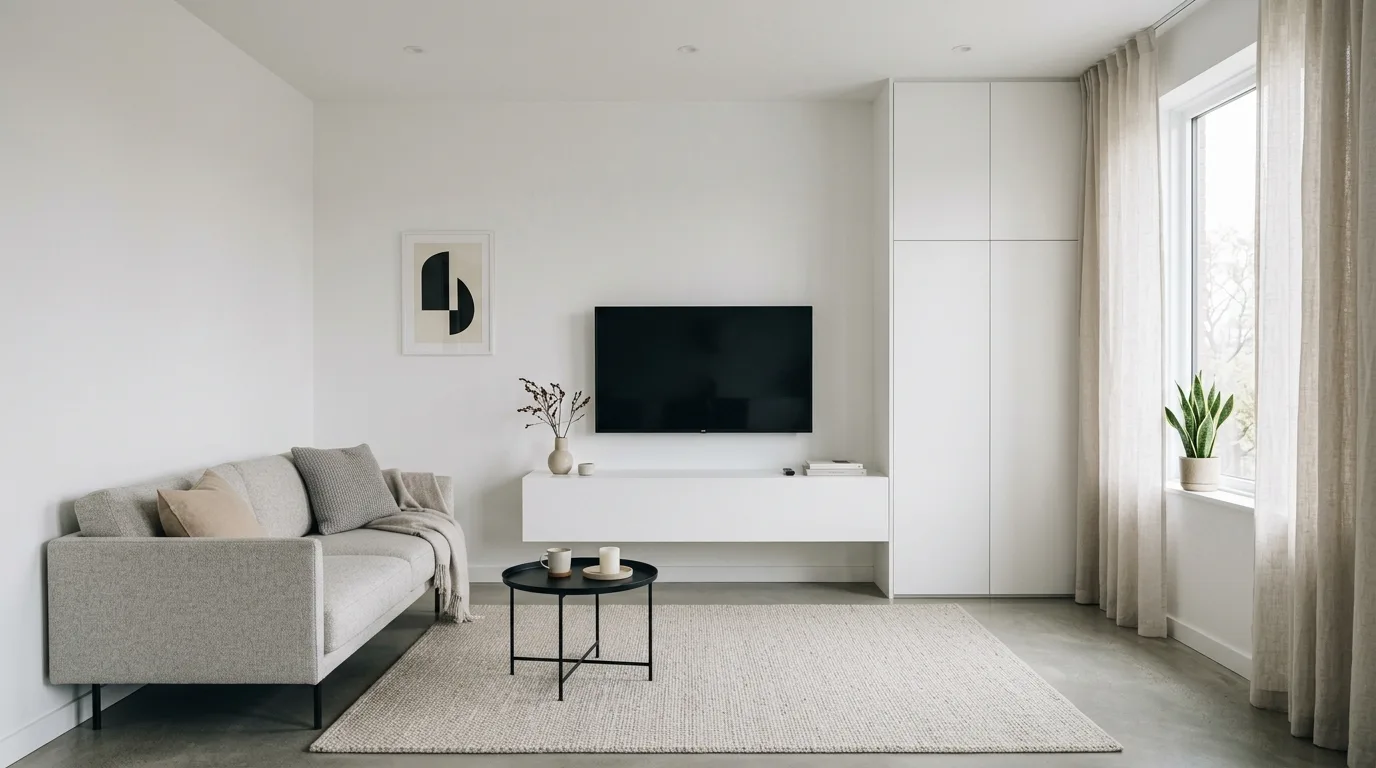
This composition gains its strength from restraint, with enough detail to feel rich but not enough to become noisy. The room feels more cohesive because seating balance, anchored layout, and a steadier use of smart cues guide the living room toward a more deliberate visual rhythm from edge to edge. That makes the section easier to translate into a real home because the mood and function stay in step. It is that controlled layering that keeps this section from blending into the next one.
The appeal here is not only in what is added, but also in what is left quiet, which allows the room to feel more mature, more grounded, and much easier to imagine as part of everyday life. In a section like airy smart finish, the best details usually come from proportion, texture, and placement being resolved at the same time instead of being added as separate styling moves. The result is a room story that feels distinct, grounded, and much easier to imagine carrying over into everyday life.
Polished Apartment Charm
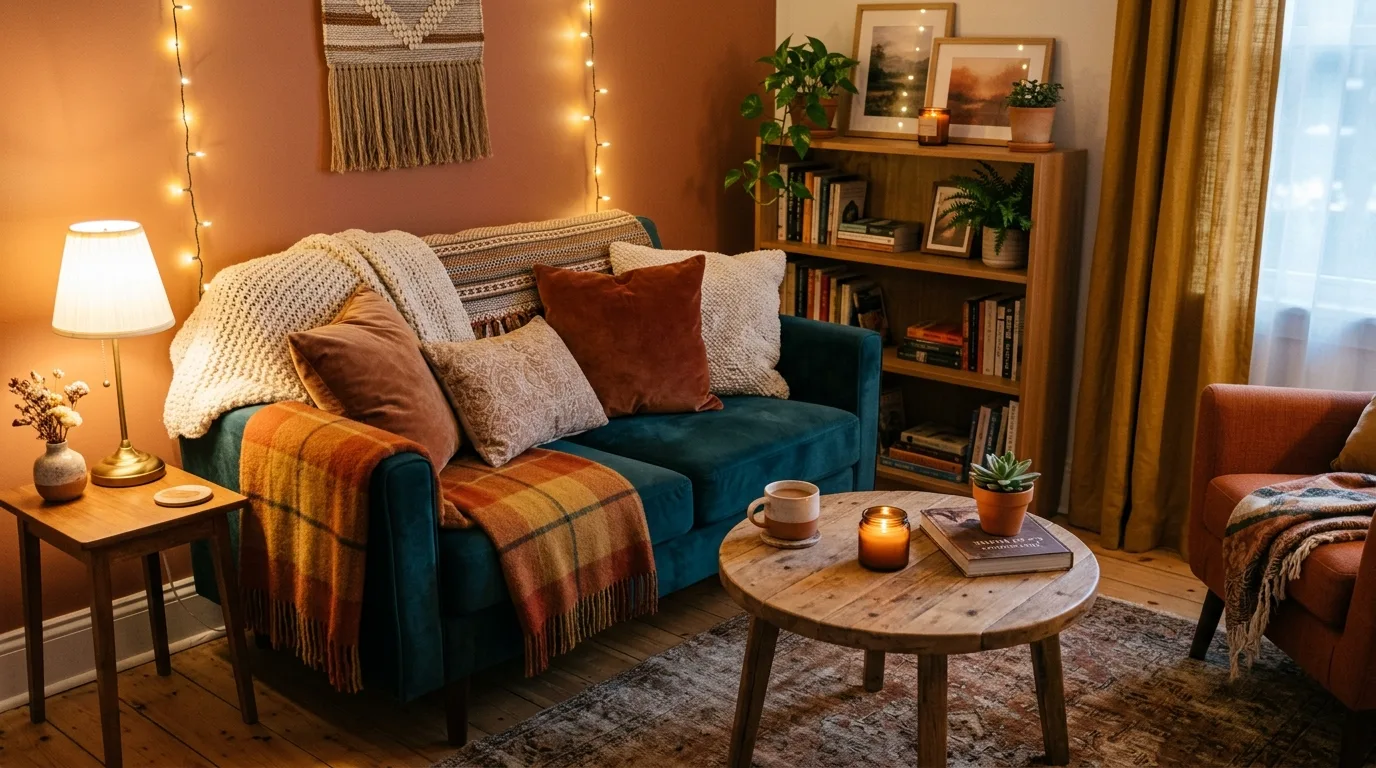
This scene feels carefully shaped, and that care shows up in how calm the entire room reads at first glance. The atmosphere deepens because natural light, decor rhythm, and a steadier use of apartment cues guide the living room toward a more deliberate visual rhythm from edge to edge. It also keeps the room from feeling copied, because the strongest choices are structural rather than superficial. The result is a room that reads clearly from the first glance and still rewards a second one.
There is a quieter kind of luxury in this image, one built on measured transitions, comfortable scale, and details that feel chosen carefully enough to last beyond a single styling moment. In a section like polished apartment charm, the best details usually come from proportion, texture, and placement being resolved at the same time instead of being added as separate styling moves. Taken together, that is what allows polished apartment charm to stand apart from the rest of the article without breaking the broader style story.
Natural Living Harmony
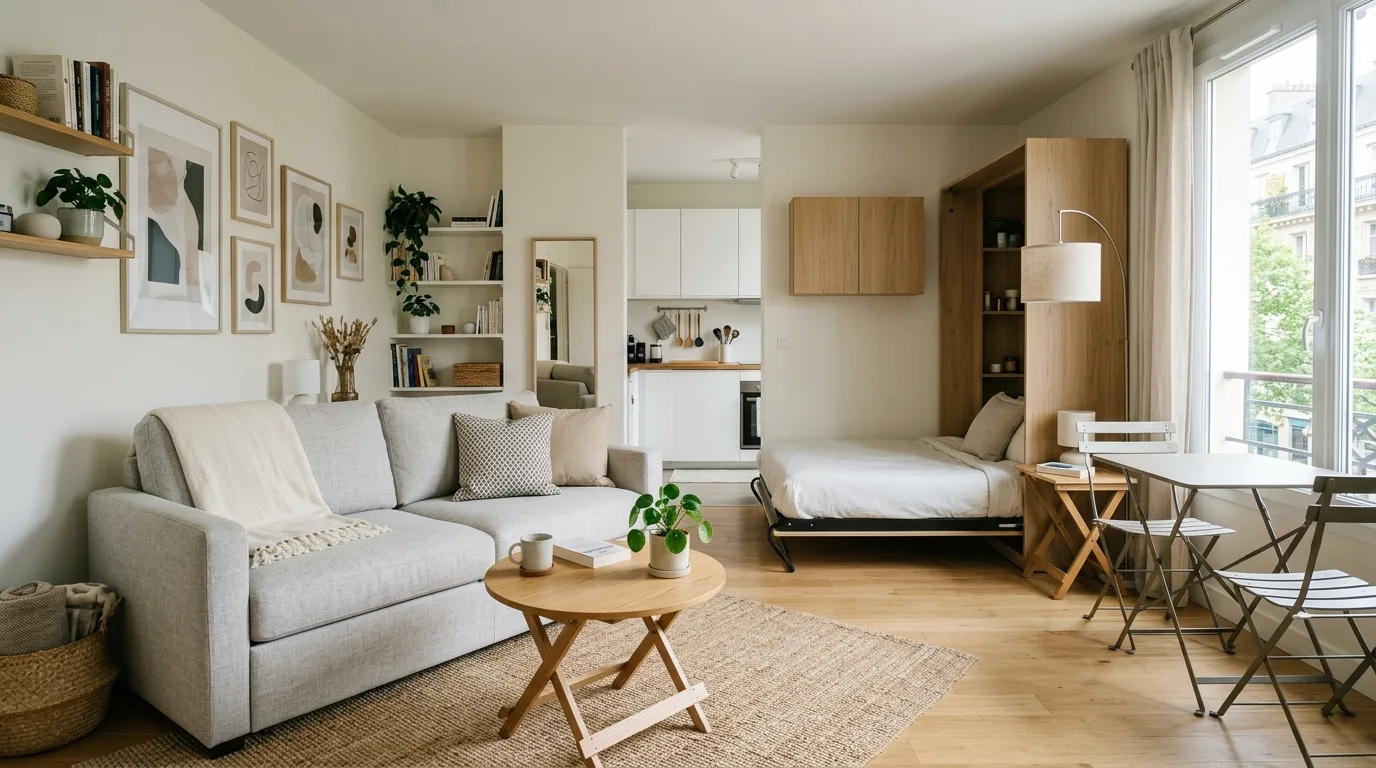
This room has presence because it balances softness and structure in a way that feels believable. That balance comes through in the way soft materials, relaxed proportion, and a steadier use of living cues guide the living room toward a more deliberate visual rhythm from edge to edge. It helps the image feel practical enough to borrow, not just attractive enough to admire for a moment. It gives the entire room a stronger point of view without making it feel rigid.
This image proves that good interiors do not need to feel crowded to feel complete, especially when the room is shaped around balance, softness, and a clear sense of visual order. In a section like natural living harmony, the best details usually come from proportion, texture, and placement being resolved at the same time instead of being added as separate styling moves. It leaves this part of the article with a clearer personality, which is exactly what helps the inspiration stay memorable.
Calm Small Retreat
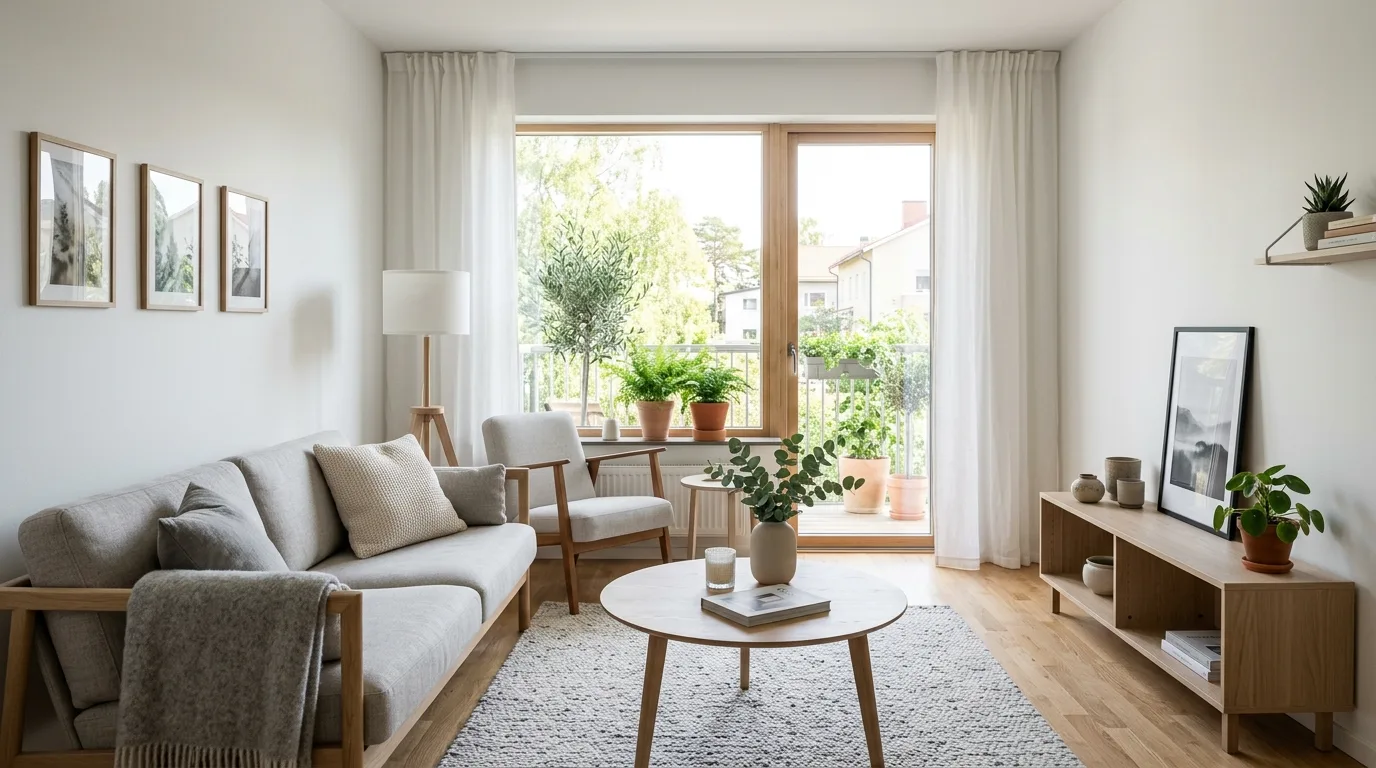
This example makes a strong case for quieter design decisions by letting texture and shape carry the interest. The image becomes more persuasive when you notice how warm color, textural contrast, and a steadier use of small cues guide the living room toward a more deliberate visual rhythm from edge to edge. The image feels more useful because the design decisions support daily living as much as visual appeal. The room ends up feeling fuller, calmer, and much more complete because of it.
Even with more personality in the mix, the room keeps its sense of control, and that restraint is what allows the full design to feel thoughtful instead of overly staged. In a section like calm small retreat, the best details usually come from proportion, texture, and placement being resolved at the same time instead of being added as separate styling moves. That extra depth helps this image hold its own within a set of 13 looks instead of dissolving into the background.
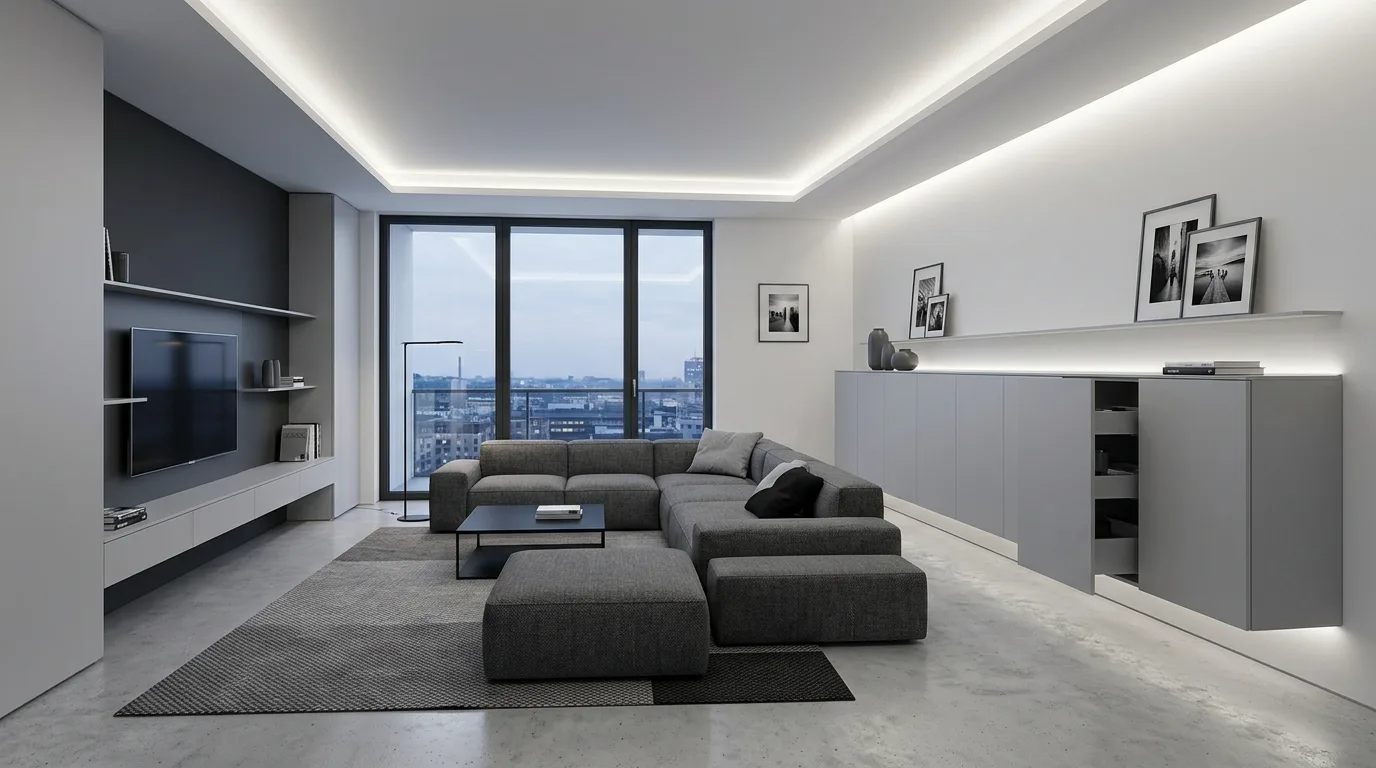
Rich Smart Balance
This view feels especially convincing because the room is not relying on one loud statement to do all the work. That sense of ease is built around the fact that seating balance, anchored layout, and a steadier use of smart cues guide the living room toward a more deliberate visual rhythm from edge to edge. That is what gives the scene a more finished identity, even before any smaller decorative details are noticed. The entire composition benefits from that extra level of control.
This section carries more depth because it treats the room as a complete environment, where light, finish, and placement all support one another instead of acting like separate ideas. In a section like rich smart balance, the best details usually come from proportion, texture, and placement being resolved at the same time instead of being added as separate styling moves. That fuller sense of control is what makes this section read as a complete room idea rather than a repeated variation.
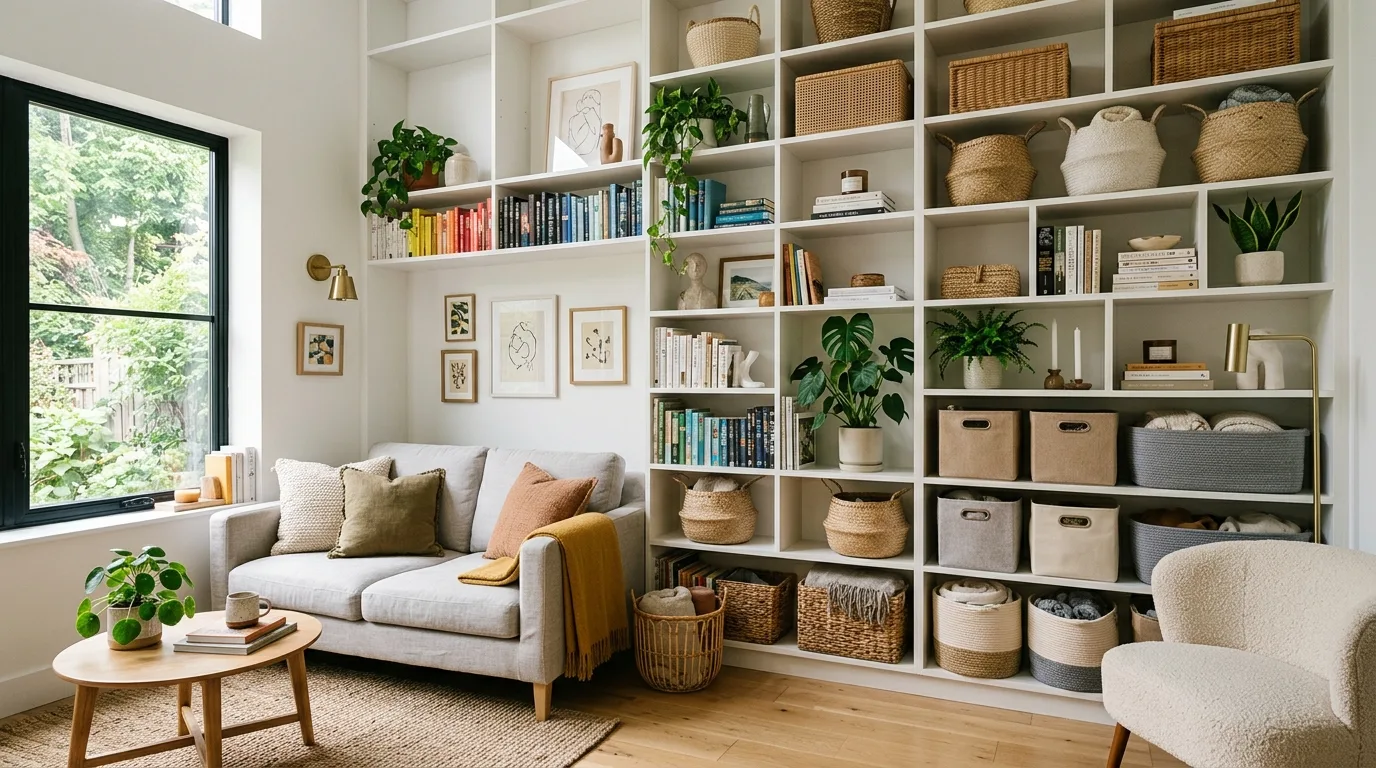
Subtle Apartment Rhythm
The strongest part of this image is how confidently it sets the tone without making the space feel overworked. The room gains depth because natural light, decor rhythm, and a steadier use of apartment cues guide the living room toward a more deliberate visual rhythm from edge to edge. That makes the section easier to translate into a real home because the mood and function stay in step. That subtle discipline is what makes the image hold together so well.
There is enough personality in this version of the room to make it memorable, but enough restraint to make it feel useful, which is often the hardest balance for interior inspiration to hold onto. In a section like subtle apartment rhythm, the best details usually come from proportion, texture, and placement being resolved at the same time instead of being added as separate styling moves. The result is a room story that feels distinct, grounded, and much easier to imagine carrying over into everyday life.
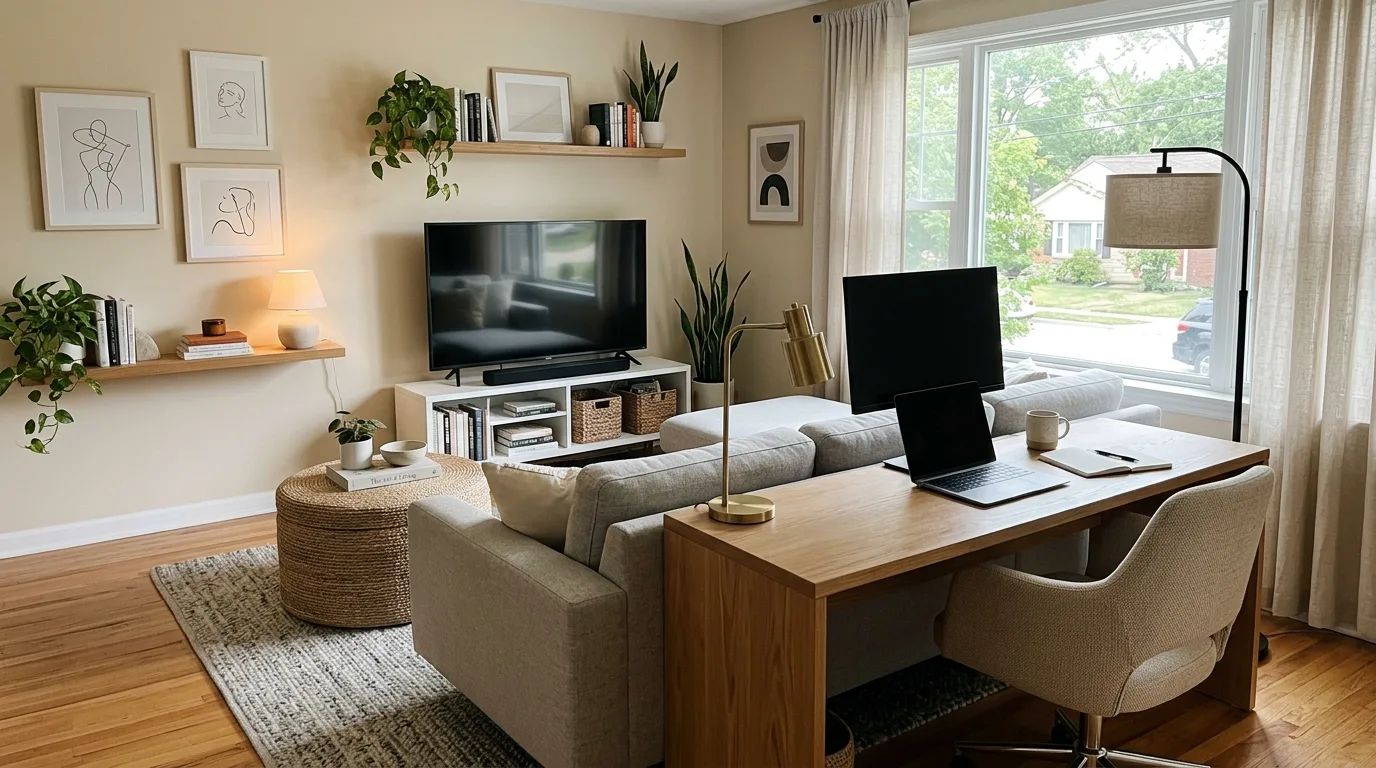
Elegant Living Glow
There is a steadier sense of design discipline here, and that is what makes the image feel worth studying. The visual rhythm improves immediately once you notice how soft materials, relaxed proportion, and a steadier use of living cues guide the living room toward a more deliberate visual rhythm from edge to edge. It also keeps the room from feeling copied, because the strongest choices are structural rather than superficial. It is a quiet move, but it changes the quality of the whole room.
This direction feels elevated because it favors composition over clutter, using fewer but better-placed details to make the room feel complete and easier to return to. In a section like elegant living glow, the best details usually come from proportion, texture, and placement being resolved at the same time instead of being added as separate styling moves. Taken together, that is what allows elegant living glow to stand apart from the rest of the article without breaking the broader style story.
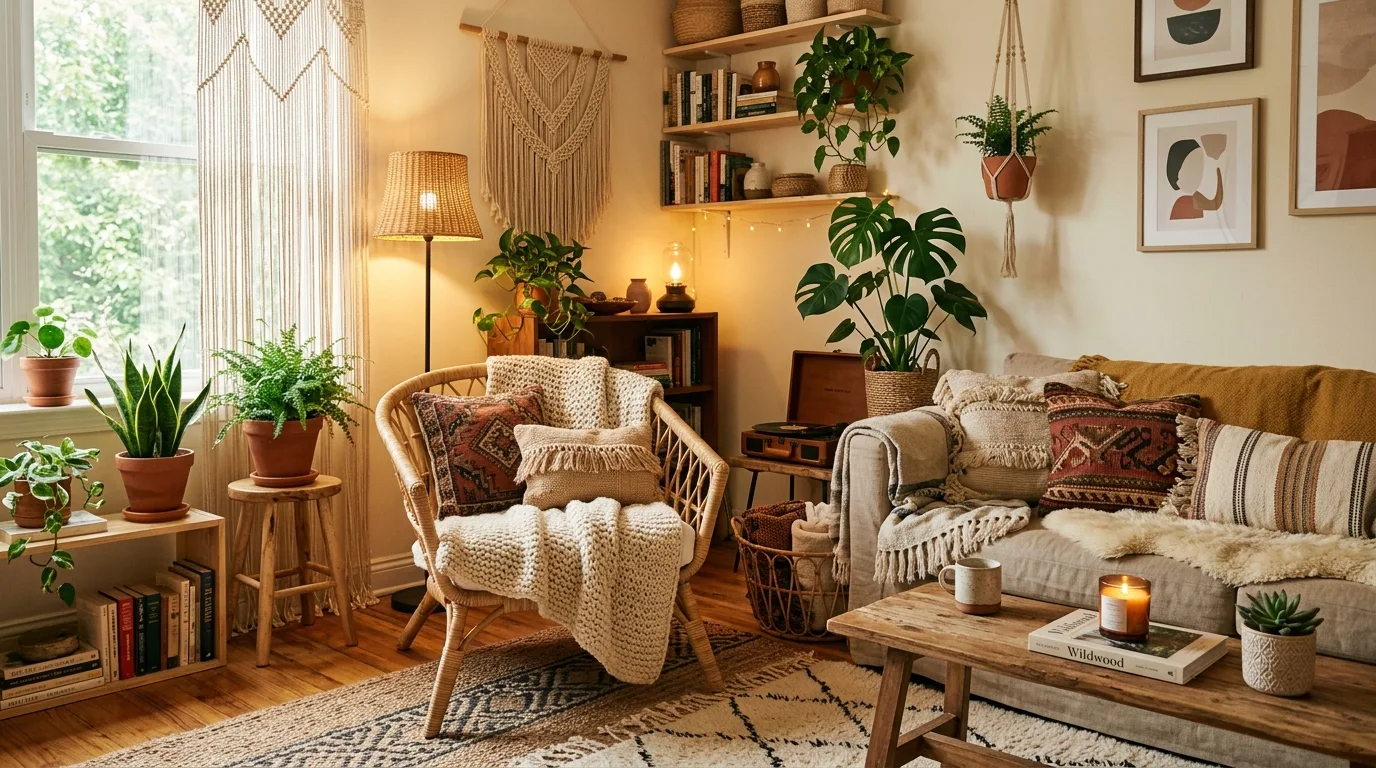
Lived-In Small Contrast
This image lands well because the styling decisions feel edited, measured, and properly supported by the room itself. The design feels more settled because warm color, textural contrast, and a steadier use of small cues guide the living room toward a more deliberate visual rhythm from edge to edge. It helps the image feel practical enough to borrow, not just attractive enough to admire for a moment. The room feels less staged and more naturally complete because of it.
What gives this image its staying power is the way it creates emotion without exaggeration, which makes the final room feel graceful, usable, and genuinely finished. In a section like lived-in small contrast, the best details usually come from proportion, texture, and placement being resolved at the same time instead of being added as separate styling moves. It leaves this part of the article with a clearer personality, which is exactly what helps the inspiration stay memorable.
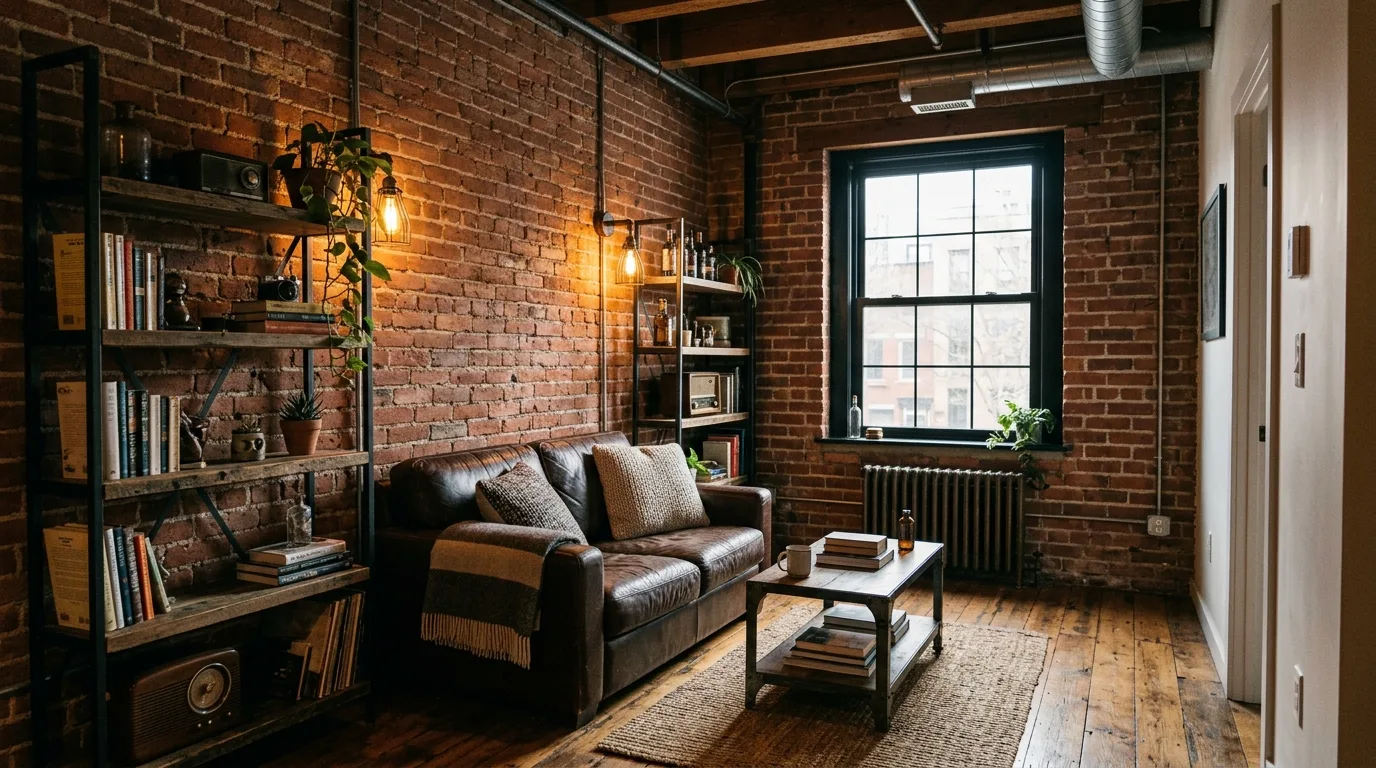
Thoughtful Smart Flow
The most effective part of this setup is that it looks finished without feeling stiff or overexplained. The room avoids flatness because anchored layout, warm color, and a steadier use of small cues guide the living room toward a more deliberate visual rhythm from edge to edge. That is what gives the scene a more finished identity, even before any smaller decorative details are noticed. That clarity is what makes the image feel more enduring than something built around one fast trend.
Rather than pushing every surface to speak at once, this version of the room creates confidence through calm sequencing, which is exactly what helps it feel elevated and approachable at the same time. In a section like thoughtful smart flow, the best details usually come from proportion, texture, and placement being resolved at the same time instead of being added as separate styling moves. That fuller sense of control is what makes this section read as a complete room idea rather than a repeated variation.
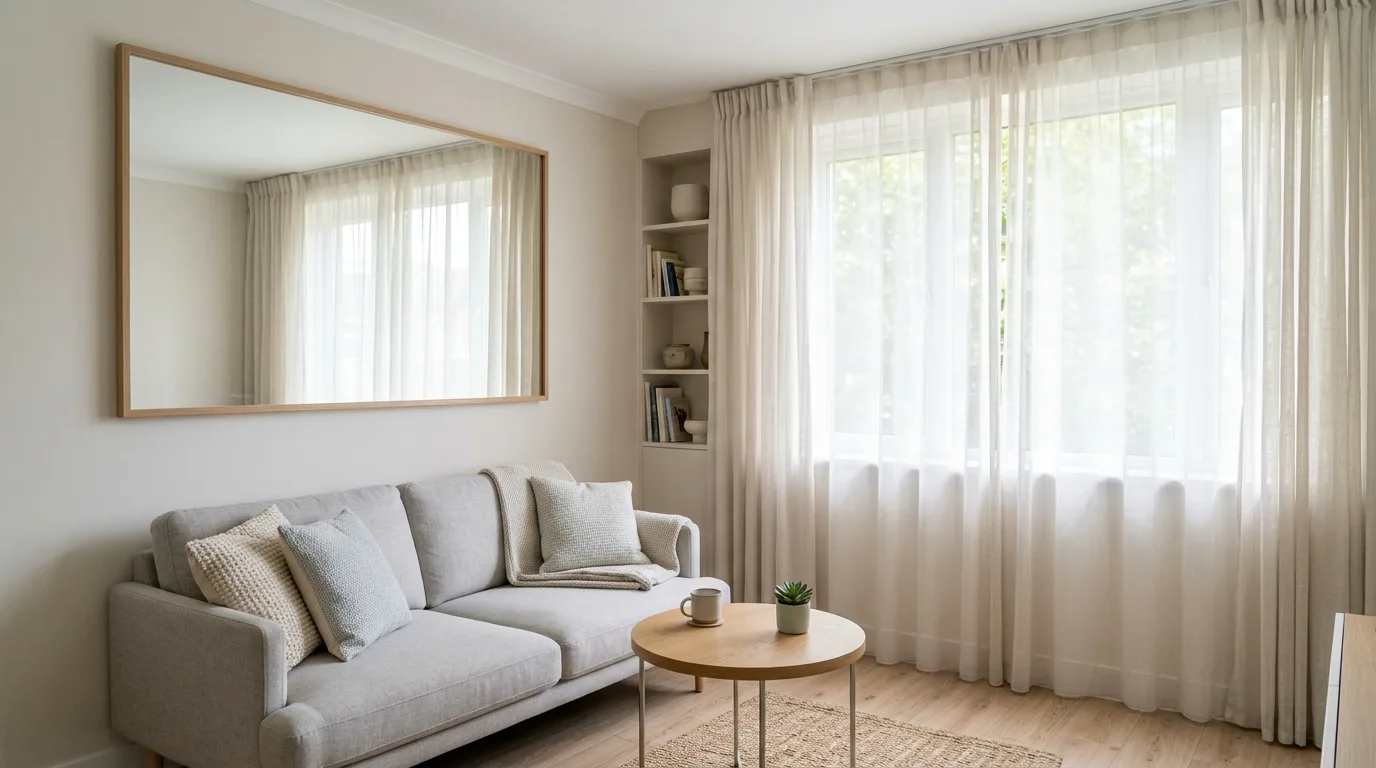
Quiet Apartment Presence
A thoughtful hierarchy runs through this image, helping the room feel composed rather than crowded. You can read that intention most clearly in how decor rhythm, seating balance, and a steadier use of smart cues guide the living room toward a more deliberate visual rhythm from edge to edge. That makes the section easier to translate into a real home because the mood and function stay in step. That final sense of cohesion is what makes this image genuinely useful to borrow from.
The room gains a more enduring kind of beauty here because it leans into atmosphere and proportion, letting style emerge through consistency rather than through repetition or excess. In a section like quiet apartment presence, the best details usually come from proportion, texture, and placement being resolved at the same time instead of being added as separate styling moves. The result is a room story that feels distinct, grounded, and much easier to imagine carrying over into everyday life.
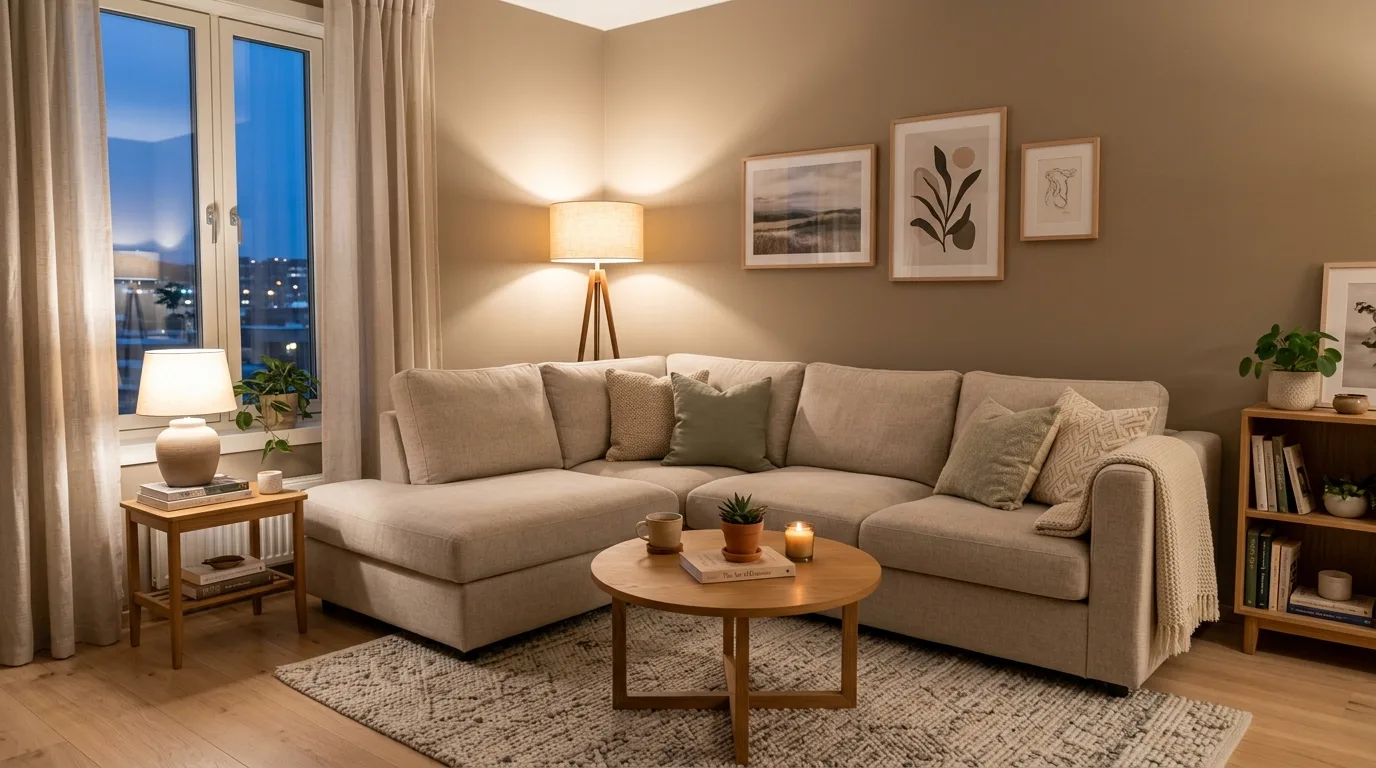
Layered Living Warmth
The room earns its impact here by staying selective, which keeps the overall atmosphere clear and memorable. A lot of the success here depends on how relaxed proportion, natural light, and a steadier use of apartment cues guide the living room toward a more deliberate visual rhythm from edge to edge. It also keeps the room from feeling copied, because the strongest choices are structural rather than superficial. That is the difference between a pretty image and one that actually feels designed.
What lingers after looking at this image is not a single object but the overall feeling of the room, which is usually the best sign that the design choices are working together properly. In a section like layered living warmth, the best details usually come from proportion, texture, and placement being resolved at the same time instead of being added as separate styling moves. Taken together, that is what allows layered living warmth to stand apart from the rest of the article without breaking the broader style story.
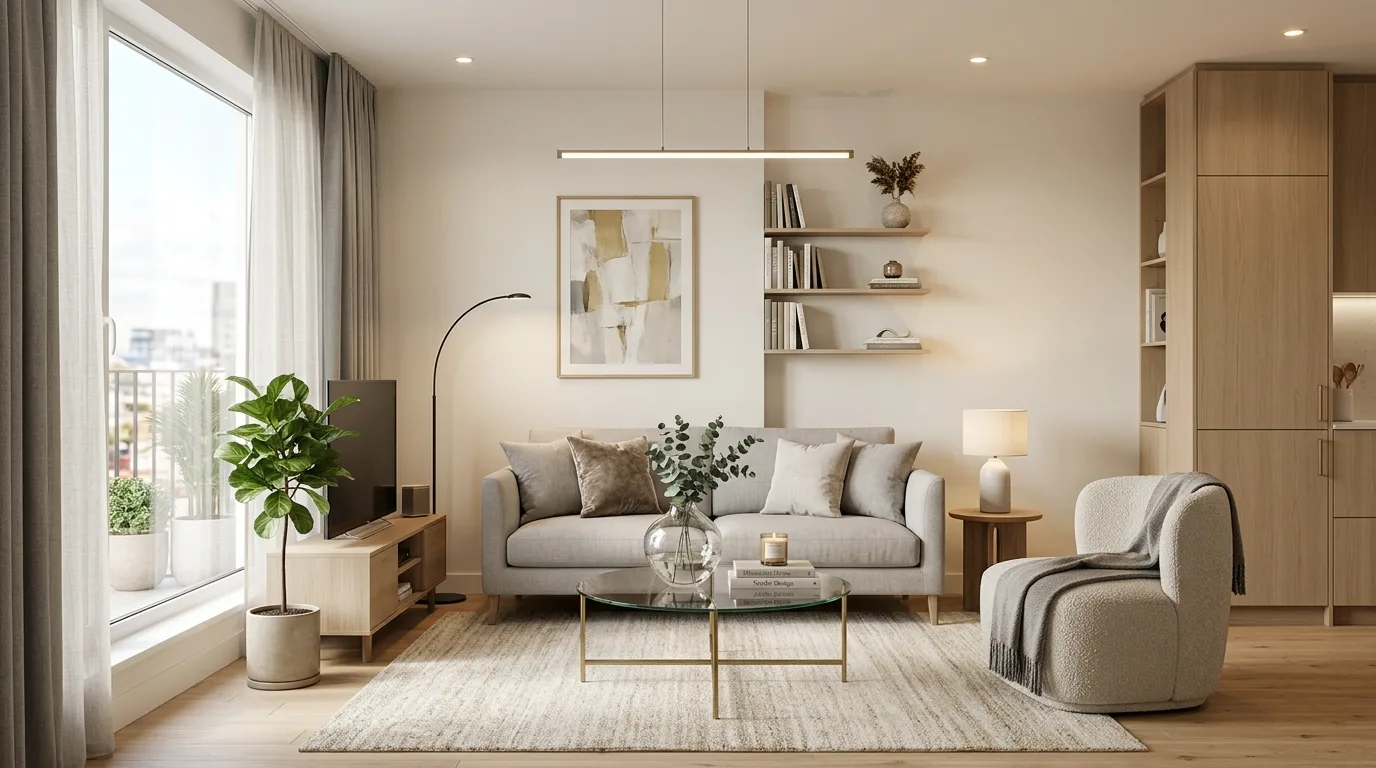
Soft Small Depth
One reason this composition reads so well is that every visible choice looks connected to the next one. What keeps the composition from feeling generic is how textural contrast, soft materials, and a steadier use of living cues guide the living room toward a more deliberate visual rhythm from edge to edge. It helps the image feel practical enough to borrow, not just attractive enough to admire for a moment. It leaves the room with a more memorable identity and a softer finish at the same time.
The styling here feels more believable because the room is allowed to have softness as well as structure, giving it the kind of balance that tends to age well over time. In a section like soft small depth, the best details usually come from proportion, texture, and placement being resolved at the same time instead of being added as separate styling moves. It leaves this part of the article with a clearer personality, which is exactly what helps the inspiration stay memorable.